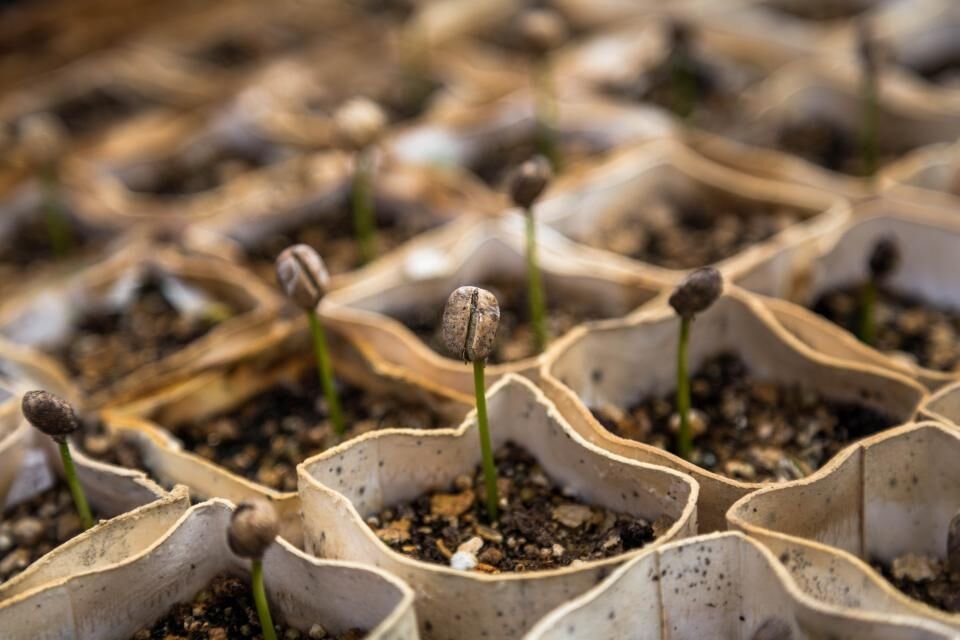
A tree in the right spot can shade a hot wall, frame a view and give birds somewhere to rest. In the wrong spot it can lift paths, crowd a roof and find its way into the sewer. The difference usually comes down to planning before the hole is dug. A little time spent on species, size and position can save a lot of money later.
This guide covers how to think about shade, roots, pipes and overhead wires. It draws on advice from Australian water utilities and the Australian Government’s Your Home guide. Rules differ between states and between water authorities, so check with your local council and water provider. The basic thinking applies almost everywhere.
Start with the job you want the tree to do
Every tree should have a purpose. It might be summer shade for a west facing window, privacy from a neighbour or a feature in the back lawn. Knowing the job helps you choose the right height and canopy spread. Good planning like this is a big part of why landscape design matters in any yard.
The Your Home guide notes that deciduous plants let winter sun through their bare branches and block summer sun with their leaves. A leafy tree near a living area can shade it in summer and let light in during winter. For most climates the guide suggests deciduous vines or trees to the north, and deciduous or evergreen trees to the east and west. In hot humid climates evergreen planting is often the better choice.
Shade on the east and west sides
Low morning and afternoon sun from the east and west is hard to block with eaves alone. The Your Home guide to shading recommends planting to filter this sun. Tall canopy trees suit roofs and larger parts of a building. Shrubs work well for shading a single window.
In cool temperate climates the guide warns against planting to the north where trees would block winter sun. That sun is free heating for living areas during the colder months. A big evergreen on the north side can make a house darker and colder for half the year. Think about where the sun sits in June as well as in January.
Pick species that suit your soil and water
The Your Home guide recommends local native species with low water needs. It also advises avoiding plants with destructive roots when planting close to the house. Local natives are usually better suited to your rainfall and soil. In Perth, the native soils of Western Australia have a big say in which trees thrive.
Your local nursery and council can suggest trees that grow well in your area. Water Corporation in Western Australia publishes guidance on selecting the right tree for verges and public open space. It rates several local species as low in root invasiveness, including Firewood Banksia and Coral Gum. Lists like these are a helpful starting point for home gardens too.
Roots and underground pipes
Tree roots go looking for moisture. Water Corporation explains that water and wastewater pipes can be an attractive moisture source. A small hairline crack in a pipe is all a root needs to get inside. Once in, the root can grow quickly and cause a partial or complete blockage.
South East Water in Victoria says tree roots cause most of Melbourne’s sewer and drain blockages, mainly at homes. Roots can also damage buildings, footpaths, fences and water pipes. Repairs can mean replacing whole sections of pipe. Older homes face more risk, as both SA Water and Water Corporation note that newer homes are more likely to have PVC pipes.
How far from pipes?
There is no single national rule for distances. The SA Water tree planting guide groups species into lists and sets 3.5 metres from sewer pipes in home gardens for its second list of trees. It also says trees and shrubs must not be planted closer than one metre to any water infrastructure. South East Water gives similar guidance, with some plants kept 2 metres from pipes and others 3.5 metres away.
South East Water’s 3.5 metre list includes liquidambar, silver birch, walnut and sycamore. Its 2 metre list includes apple trees, oleander and rosemary. Both utilities treat these lists as a guide rather than a full set of rules. SA Water also says to judge distance using the tree’s mature size, not its size in the nursery pot.
Find the pipes before you dig
Before planting, find out where pipes and cables run under your yard. Before You Dig Australia provides free information on underground assets, and the water utilities recommend using it. South East Water also suggests buying a property sewerage plan to see where sewer pipes sit on your block. In South Australia, SA Water points people to its Healthy Pipes online map.
Property owners are usually responsible for the pipes on their own land. South East Water says owners look after pipes and fixtures up to the connection with its sewer branch. SA Water says the same for private pipework and notes that a registered plumber must do the repair work. A blocked pipe caused by your own tree is generally your bill to pay.
Root barriers
Root barriers sit on the edge of the planting hole, between the tree and the pipe. SA Water says they can allow planting closer than the standard distances if the pipe stays sound. Near its own infrastructure, SA Water must assess and approve any barrier first. Talk to your water provider before relying on a barrier near a main or connection.
Overhead powerlines and the street verge
Look up as well as down. Water Corporation advises checking Western Power’s clearance zones for safe distances from overhead powerlines. A tree that grows into the wires will need regular pruning and may end up removed. Other states have their own network rules, so check with your local electricity distributor.
The verge outside your home is usually managed by the council. South East Water says to get council permission before planting on a nature strip. In Western Australia, Water Corporation’s verge guidance sets trees 2.7 metres from the property boundary and at least 0.5 metres from water assets. Ask your council which species it allows before you buy.
Planting for the long term
A tree is a decision that lasts for decades. A smaller species is often a wiser choice than a large one you fight with later. Native trees with low water needs also suit a more sustainable yard design. Trees and pools both need room, so plan them together if you are thinking about installing a swimming pool.
Frequently asked questions
How close to my house can I plant a tree?
It depends on the species and its mature size. The Your Home guide advises avoiding trees with destructive roots near the house. Water utilities use distances of 2 to 3.5 metres from pipes for many common trees. Ask your local nursery for a species that suits the space.
Are deciduous trees better for shade?
In many climates they are a good choice on the north side. They block summer sun and let winter sun through their bare branches. In hot humid climates the Your Home guide suggests evergreen planting instead.
Who pays if tree roots block my sewer pipe?
Owners are generally responsible for pipes on their own property. Water utilities such as South East Water and SA Water look after the mains and their connections. Repairs to private pipework need a registered plumber.
Do I need permission to plant on the verge?
Usually yes. Councils manage verges, and South East Water advises getting council permission first. You should also check with Before You Dig Australia for underground assets.