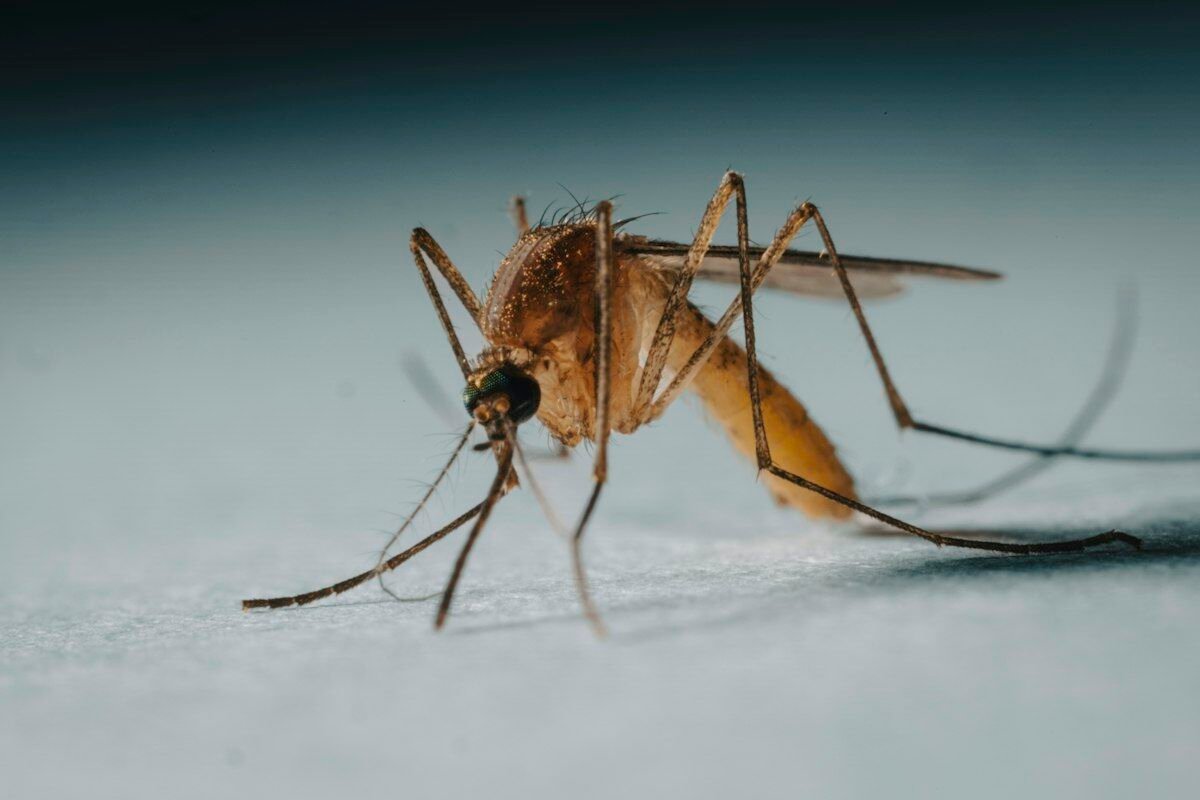
If you’ve sat out the back on a warm evening slapping your ankles, have a look at what’s lying around. Plenty of mosquitoes breed in water sitting right beside the back door.
And they’re more than an itch. Some carry disease. But most of the places they breed in a backyard are easy to get rid of, and a quick look around once a week does most of the work. The basics are the same right around Australia, but it’s still a good idea to check what your own council says during mosquito season.
Mosquitoes lay their eggs on or in still, stagnant water, according to NSW Health, and one batch can be more than 300 eggs. Those eggs need about a week sitting in standing water to finish developing. So if you tip things out once a week, you stop the next lot from ever hatching out. Most of what you do in the yard comes back to that.
It doesn’t take much water, either. NSW Health uses the example of a drink can someone’s tossed away. The WA Department of Health says they’ll breed in fresh or salty water and they often go for containers that hold it.
Where to look
The HealthyWA guide to preventing mosquito bites at home has a list of the usual spots, and most are sitting in plain view in an ordinary backyard. The easiest way to find yours is to walk around the yard just after it rains and see where the water’s still lying. Things to check:
- Drip trays under pot plants
- Roof gutters
- Ponds and water features
- Pet water bowls and bird baths
- Old tyres, buckets and kids’ toys
- Rubbish and containers left lying outside
- Swimming pools that haven’t been looked after
Both health departments say to deal with these at least once a week. NSW Health’s slogan for it is “Screen up, Clean up”, which is a bit daggy but easy to remember. Empty, clean and refill bird baths, pet bowls and stock troughs every week, and tip out or chuck any container or rubbish that’s collecting water.
Anything else that catches rain, like buckets and toys, should go under cover or somewhere dry. Keep the lids on your bins. NSW Health also suggests pulling off the leaves of plants that hold water in them.
Keep the lawn mowed and the plants around the house cut back, too, because the WA Department of Health says that gives mosquitoes fewer places to hide. None of this is extra work if you already do regular lawn and garden maintenance. A wander around on the weekend covers most of it.
Pot plants, gutters and tanks
Drip trays are one of the common breeding spots HealthyWA lists. NSW Health’s fix is to fill the base with sand so the water can’t sit there as an open pool, which is handy if you’ve got a lot of pots. Or just tip the trays out each week when you’re watering anyway.
Gutters are the ones people forget, mostly because you can’t see into them from the ground. When they’re blocked they can hold water long after the rain has stopped. NSW Health says to clear drains and gutters so the water runs off, and the WA Department of Health also says to clean out roof gutters. Have a look after storms and again in autumn when the leaves come down.
If you’ve got a rainwater tank, it needs proper screening. The WA Department of Health advises mosquito proof mesh over rainwater tanks, septic tank openings and wells, and NSW Health says the same for septic and rainwater tank openings. Check the mesh every so often for gaps or damage.
Pools, ponds and pet bowls
A pool that’s kept clean isn’t really the issue. It’s the neglected ones that make HealthyWA’s list. Keep the water clean with no leaves and junk floating in it, and empty any wading pool at the end of each day. If you’ve got an older pool that’s been let go, these tips on renovating your swimming pool might help you get it back into shape.
Have a look around the edge of the pool while you’re there. Toys, buckets and pool covers left lying about will all fill up with rain. Tip them out and store them dry, the same as NSW Health suggests for anything else that holds water. And a tidy pool area makes it easier to keep an eye on the gates and the glass pool fencing too.
Ponds are a bit different because you can’t just tip them out. The WA Department of Health suggests putting fish in a backyard pond to eat the larvae, and keeping the edges clear of plants. For farm dams, NSW Health mentions bringing in a local species of fish as one option. NSW Health also says to empty and wipe out water features regularly.
Then there’s the dog’s water bowl. Pets need fresh water, but a bowl that’s gone stale is just another breeding spot, and both health departments say to check them. Empty, clean and refill at least once a week. If you’ve got pets you’re probably already cleaning up after them all the time anyway, from bowls through to carpet cleaning for pet owners.
Keeping them out of the house
Getting rid of the water is the main thing, but screens help too. NSW Health recommends fly screens on windows, doors, vents and chimneys. Outside, you can use mosquito coils in areas with plenty of air moving through. Insecticide sprays and vapour dispensing units are other options.
The WA Department of Health also mentions residual barrier sprays on buildings, structures and plants. If you use any of these, follow the label. That’s boring advice but it’s there for a reason.
Japanese encephalitis is one of the mosquito borne diseases NSW Health points to, and your state health department puts out current warnings during the season. If you’ve cleaned up properly and you’re still getting eaten alive, ring the environmental health officer at your local council, which is what the WA Department of Health suggests for ongoing problems. Councils sometimes run their own control programs. The NSW Health advice on mosquito reduction says councils may fog or spray outdoors to bring local numbers down.
When to start
NSW Health runs its mosquito surveillance from around October or November through to April or May each year, so the warmer months are when all this counts most. Get into the weekly habit as soon as the weather starts warming up. And don’t let it slide after heavy rain, because that’s exactly when the gutters and containers fill up again.
This article is general information only and isn’t medical advice. If you have health concerns, talk to a doctor or qualified health professional.